

Dive lights: what to look for
A light isn’t just for night dives. It brings back color in holes and under ledges on any dive.
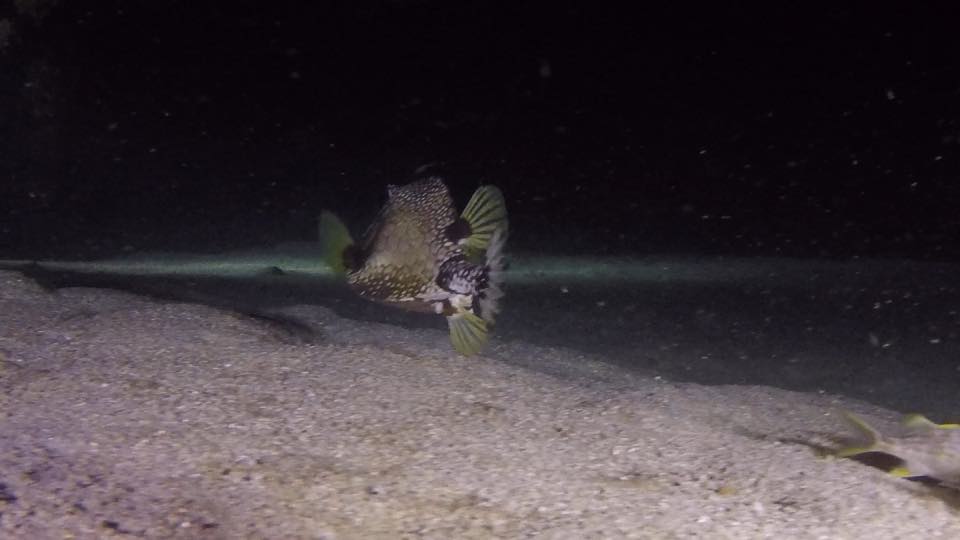
Four jobs, four lights
- Primary light: your main light for night dives and looking into holes and under ledges.
- Backup light: a small second light every night diver carries, in case the primary fails.
- Marker light: a small light on your tank or BCD so your buddy can see you in the dark.
- Video light: a wide, even beam for filming. See our underwater photo guide.
Beam and brightness
- Narrow (spot) beam: cuts through the water and reaches into holes. Best for a primary.
- Wide beam: lights up a whole scene evenly. Best for video.
- Brighter isn’t always better: a very bright light also lights up every particle in the water. Balance brightness with burn time.
Batteries
- Rechargeable lithium: usually brighter and cheaper to run.
- AA or other standard batteries: easy to find anywhere you travel.
- Flying: spare lithium batteries go in your carry-on, not your checked bag.
Care
Check the O-ring before every dive, rinse the light in fresh water after, and store it with the batteries out.
At night
Never shine your light in your buddy’s eyes. Signal on their hand or the sand in front of them instead.
We carry dive lights, and we’ll help you choose a primary, backup or video light.